Questions to Ask a Wedding Venue: 30 Things to Find Out Before You Book

Think you may have found the one? Yep, we’re talking about your wedding venue. This first firm decision you’ll make for your wedding is exciting, but it’s vital to be clear on the finer details before you sign on the dotted line. That’s where we come in, with our top questions to ask a wedding venue before you book.
From guest capacities and venue costs to the likes of, ‘what am I not allowed to do?’ (‘no real candles’ might be a dealbreaker for some), these are the most important things to ask when viewing a wedding venue.
Remember, not every question will be relevant to your wedding, but we’ve aimed to cover all bases, so you have everything you need to hand.
Ready to lock down your dream venue? Let’s dive in!
In this video, Bridebook founder (and qualified wedding planner!) Hamish Shephard gives the lowdown on the questions you should ask your wedding venue, as well as some expert tips and tricks to keep your wedding budget on track!
Questions About Capacity & Layout
1. How many guests can you accommodate?
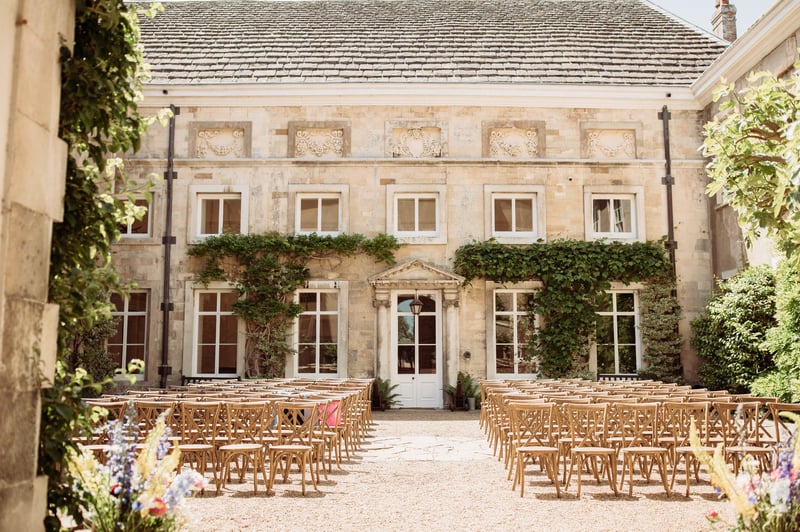
Generally, when choosing a wedding venue, most couples start by making a rough guest list and then looking for a venue that can accommodate that number. Others, however, are more willing to shape their guest list to fit their dream venue. Always ask about minimum numbers too, as some venues will have a minimum requirement. If you have 40 guests and the venue requires a minimum of 50, will you happily pay for the extra 10?
Top tip: If you search for wedding venues using our Venue Search Tool, let us know how many guests you expect to be hosting and we’ll only show you the venue that can cater to that number.
2. Can we have our ceremony here too?
Not every wedding venue in the UK will be licensed to host legal wedding ceremonies. If they can, there may also be limitations on where they can be held, so always check your options.
3. How does moving from the ceremony to the reception work?
If your ceremony and reception are set to take place in the same room, it’s good to know where you and your guests are expected to wait – and for how long – while the changeover takes place. Will there be staff moving the chairs and tables, or will you need to enlist the help of members of your wedding party?
4. Are we likely to bump into any other wedding couples?
While lots of venues offer exclusive use, not all will, so if privacy is something that is particularly important to the two of you, remember to ask if there are any other weddings planned at your venue on the same day. Similarly, will there be people milling around who aren’t guests at your wedding? This is most common at hotel wedding venues which will be hosting other guests. Remember, you can use Bridebook’s Venue Search Tool to browse by exclusivity, too!
5. What are our wet-weather options?
This is likely only a concern if you’re planning an outdoor wedding but find out what back-up indoor spaces are available should the weather not be on your side. Make sure you view them so you can give at least a little thought to how you might use them or how they might be decorated.
6. Is there any overnight accommodation?
If you’re expecting guests to travel from afar, it’s important to have an idea of accommodation options. It might even be a dealbreaker for some couples if there is none. How many rooms are available at the venue – if any? And can the venue recommend any nearby hotels or accommodation that you can include within your invitations or on your wedding website?
Questions About Catering & Suppliers

7. Do you have a list of preferred caterers?
At some venues, you’re not permitted to bring in external wedding caterers and will need to choose from the venue’s own list of suppliers instead. Other venues will have caterers they suggest but don’t necessarily insist on. Either way, it’s important to know your options.
8. Can we bring our own alcohol – and do you charge corkage?
Not all venues will allow you to bring your own alcohol. If it does, it will likely charge you a corkage fee. Sometimes the corkage fee will be worth it, other times it will actually be cheaper to buy your alcohol directly from the venue itself.
9. Is the bar cash or card only?
If guests are expected to pay for their own drinks for all or part of the night, you’ll need to know if the bar accepts only cash or card, or both, so you can let your guests know in advance.
10. Is there a minimum spend?
Likewise, if guests are paying for their own drinks you will need to find out if there’s a minimum spend. Otherwise you might find yourself paying unexpected costs at the end of the night!
11. Can we have a DJ or live music?
It doesn’t matter what kind of entertainment you have in mind; you’ll need to find out if your venue can actually accommodate their needs and whether or not there are any noise restrictions. You don’t want to book your dream wedding DJ only to find out they need to end their set an hour earlier than planned or there is, in fact, nowhere for them to set up.
Questions About Pricing & Packages
12. What’s included in the cost?
Always ask your venue to list what’s included in the overall package and what’s not. Go into the finer details, such as lighting, mics for the speeches, glassware, table linen and any décor items, as well as the big things such as whether the bridal suite is included – sometimes it’s not!
13. When do we need to pay our deposit – and when is the final payment due?
The moment you pay your deposit is the moment you secure your wedding venue on the agreed date. It’s important to understand when this payment is due to avoid disappointment, and then when the final payment is expected to be made by so you can budget accordingly.
14. Is VAT included in the price?
Always, always check whether VAT is included in the overall cost of your wedding venue package. You might think you’ve bagged yourself a great deal, only to find this was exclusive of VAT and the real cost is as much as 20% higher, taking you over your budget.
15. Are there any other fees?
Now is also a good time to ask about any other potential fees, taxes or service charges, too. It’s important to ask so you don’t incur any hidden costs in the run up to the wedding day.
16. Do you offer complimentary menu tastings?
It’s common for wedding venues to offer couples a sample menu tasting before the big day so they can decide what they’d like their guests to eat and drink. However, some venues charge for this service, so always check.
Questions About Logistics
17. When can we start setting up?
It’s common to be able to start setting up the day before or early on the morning of your wedding but always ask this question. You’ll also need to communicate this to your other wedding vendors as well as anyone in the wedding party who might be helping out.
18. What are we not allowed to do?
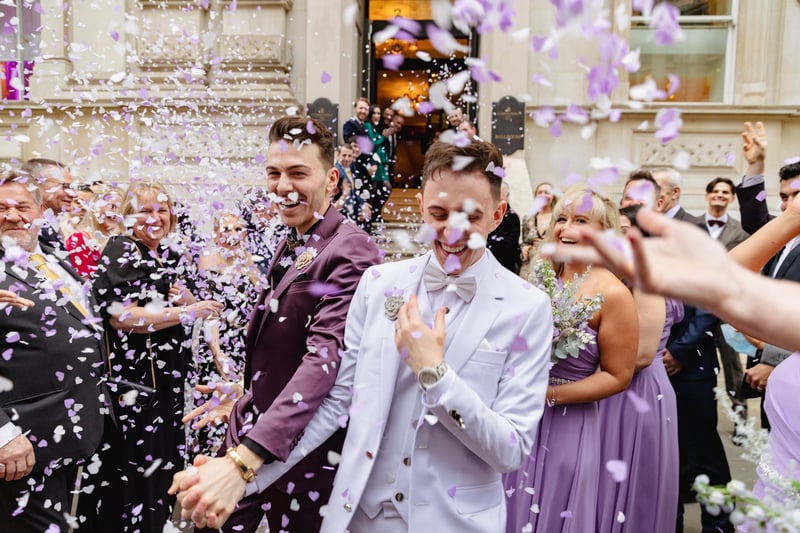
It’s important to find out about any small print – some venues may have restrictions on the use of real candles, confetti or fireworks, as well as conditions like ‘no flash photography’, no under-18s at the venue or heels on the dancefloor, which can prove disappointing if you didn’t know. You don’t want to be surprised on the day. The last thing you want is to spend hundreds of pounds on tea lights – only to find you can’t light them!
19. Will there be a venue coordinator on the day – and who will it be?
Will it be the person you have been dealing with until this point? Or will they be handing on-the-day coordination over to someone else, such as the banqueting manager? If you’ve built up a good rapport, it can be hard to learn they won’t be on hand to manage your celebrations. If there isn’t going to be anyone from the venue coordinating on the day, you may need to enlist the help of someone from your wedding party to oversee things, so you don’t have to.
20. Do you have disabled access?
If anyone on your guest list has access needs, make asking your venue about accessibility a priority – that includes toilets, too. This is also a good time to ask about baby changing facilities if you have younger guests.
21. Can you cater for dietary requirements?
Is the venue able to offer veggie, gluten-free or vegan dishes for your guests – and are they able to cater to allergies? It’s vital to let them know as soon as possible about any potential dietary requirements so they can put the necessary procedures into place.
22. What car-parking is available on the day?
If you’re not arranging transport for your guests, you’ll need to let them know if there are parking spaces available. This is particularly important if you have elderly relatives attending who might find it difficult to travel any great distance to your venue. Don’t forget you may need to reserve spaces for your suppliers, too.
23. Is it possible to plug an iPhone or laptop into the sound system?
If you’re planning on creating your own playlist – perhaps as the backdrop to the wedding breakfast or drinks reception – check with the venue that it has a suitable speaker or sound system that you can connect to.
24. Is there somewhere we can store our wedding gifts?
Can they be locked away safely by someone from the wedding venue team until you can collect them, or will you need to ask someone from your wedding party to take them home with them?
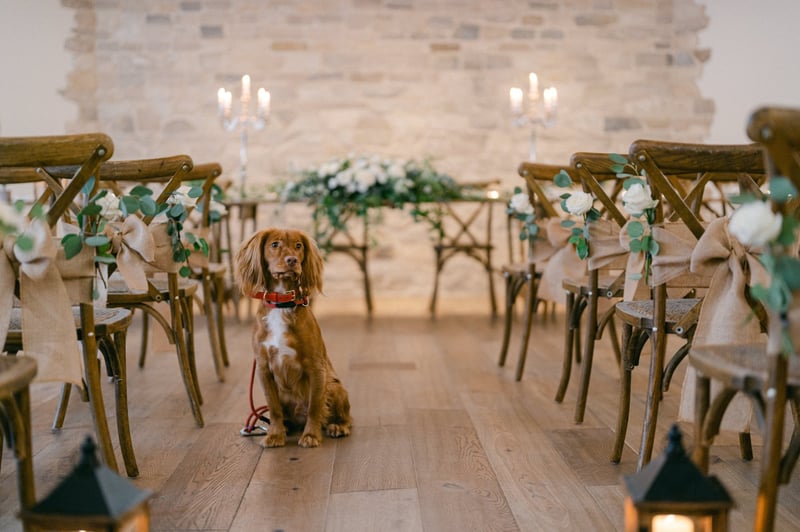
25. Are you pet-friendly?
Many couples love the idea of including their four-legged friends in their wedding day – but not all venues will accommodate dogs or other pets.
26. What time will the event finish?
Restrictions will vary from venue to venue but as a rule, wedding venues in more densely populated areas will have stricter noise restrictions and curfews. City hotels, for example, may set a firm end time for the celebrations. If you’re getting married in a rural barn or exclusive-use country manor house, you’re more likely to be able to party until dawn.
27. Who will be responsible for the post-wedding clean-up?
While most wedding venues will have a team of staff who will take care of the clean-up the following morning, there is also a chance you may be responsible for it. You’ll need to consider who will be collecting hired items, too, so always cover this subject from the start.
Questions About Your Contract

28. What is your cancellation and rescheduling policy?
Despite the best of intentions, there might be various reasons why you need to cancel or postpone your wedding. Understanding fully how far in advance you can cancel in order to receive your deposit back is important – this is also where wedding insurance can come in handy.
29. What are your policies around arrival and breakdown?
This will likely depend on how many other weddings your venue has booked before and after yours, but it’s important to know what is expected when it comes to set-up and breakdown, so you can inform your external suppliers such as the florist, marquee team, band etc.
30. Do you have liability insurance?
An obvious one, but it’s always worth checking and asking to see the documents. Knowing whether your venue is covered for any accidents that may happen will put your mind at rest.
Wedding Venue Red Flags to Watch Out For
- Poor communication: If the venue staff are ghosting emails or calls before you’ve even signed the contract, they’re unlikely to be any better once you have. First impressions count!
- No real point of contact: It’s important to know who your point of contact will be in the lead-up to the wedding and on the day of. If you’re being passed from manager to manager, vital information and requests can get lost along the way.
- Hidden charges: Watch out for venues sneaking in hidden fees for things such as parking, cleaning or bringing in external suppliers without discussing it with you first. If anything is agreed verbally, always get it in writing.
- No cancellation policy or force majeure clause: If the venue can’t explain what will happen should there be a fire, flood or they are forced to close for another reason, step away!
- Negative reviews: Word of mouth and online reviews count for a lot. If there is negative feedback online, look at how the venue has responded to this.
- Feeling pressure to book: Finally, go with your gut. If you feel like a venue manager is pushing you to sign a contract before you’ve had a chance to really discuss it with your partner, consider looking elsewhere.
Wedding Venue Questions: FAQ
What should you find out before booking a wedding venue?
There are lots of questions that should be asked before you lock down your wedding venue, but some of the most vital things include:
- Can it cater to your guest numbers?
- Does it offer exclusive hire?
- What is included in the venue package?
- Is there accommodation for you and your guests?
- Are you allowed to bring in external vendors?
- What are the expected timings of the day or weekend?
- Is there is a clear cancellation policy and force majeure clause?
What are red flags when viewing a wedding venue?
Potential red flags when choosing your wedding venue might include things such as poor communication, high staff turnover or being passed from person to person. However, you should also look for negative online reviews and suspect financial or contractual red flags, like no real cancellation policy and hidden fees in the small print that weren’t discussed in person.
How many venues should you visit before booking?
There are no hard and fast rules on how many wedding venues you should visit before booking, but in most cases, couples will visit around two or three in the planning stages. It might be that you have always had a dream venue in mind and one visit is enough! The most important thing is that you stick to only visiting venues that are within your budget and which can cater to your guest numbers.
What should a wedding venue contract include?
When it comes to signing on the dotted line of your wedding venue contract, always check that the following information is covered:
- Confirmed date and time frame of the event. This includes when you can start setting up and when everything must be cleared away by.
- Specific description of the rooms/spaces you are hiring. Do you have free rein of the whole place or are there restrictions on areas you can or cannot go?
- Venue house rules. This should include anything you aren’t allowed to do, such as light naked flames (which rules out things like candles and sparklers).
- Full details of what the package includes. This should also feature an itemised description of any items you will be borrowing from the venue such as table linens, chairs, cake stands, etc.
- Name of your point of contact on the day of the wedding. This could be the on-site venue coordinator or banqueting manager, for example.
- Payment timeline. How many payments will need to be made and when? And are there any hidden admin fees?
- Cost of any damage. Sometimes things can get lost or damaged – or even stolen! Always check what the charges are and be clear on how the room or venue needs to be left.
- Cancellation and postponement policies, and force majeure clause. Life happens, and you never know what is round the corner.
- Proof of liability insurance. This includes what’s covered and the limit of liability.
Find Your Wedding Venue on Bridebook
Ready to discover your dream wedding venue? Check out Bridebook’s state-of-the-art venue search tool and unlock the UK’s biggest and best wedding venue directory. With the ability to search by location, style, capacity and more, it’s never been easier to search and enquire!
You Might Also Like…
- The Average Cost of a UK Wedding in 2026 is £20,604
- Your Ultimate Wedding Planning Checklist
- Why A Weekday Wedding Could Be The Best Decision You Make
- Top 10 Tips For Choosing Your Dream Wedding Venue
- Hidden Wedding Costs Every Couple Needs To Know About
Related articles