Wedding Planning Checklist for Canadian Couples

Planning a wedding is so incredibly exciting! And for Canadian couples, there are so many amazing venues to choose from all over the country, and some of the best wedding vendors and suppliers around. In fact, there’s so much choice available that it can become overwhelming very quickly.
One minute you’re celebrating your engagement, and the next you’re faced with decisions about wedding venues, budgets, guest lists, suppliers, timelines and logistics. For most couples, the hardest part isn’t making those decisions at all; it’s knowing what to do and when. That’s where a clear, structured and easily accessible wedding planning checklist becomes super valuable.
Instead of trying to juggle everything at once or going in completely blind, a checklist acts as a step-by-step guide. It breaks your wedding into manageable stages, helps you stay organised and makes sure nothing important gets missed or delayed.
This guide is your complete wedding planning to-do list, aimed specifically at Canadian couples. It covers every stage of the wedding planning process, from the moment you get engaged to the final days before your wedding, so you can enjoy every moment of the build-up to your special day.
Whether you’re planning a large celebration or something more intimate, this wedding checklist timeline will help you stay on track and actually enjoy the process.
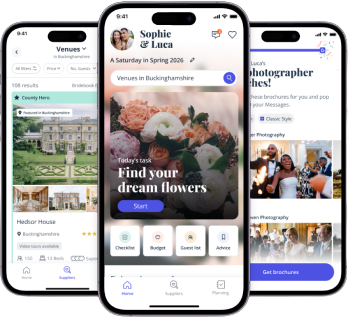
Start your free Bridebook checklist and plan your dream wedding with far less stress.
The Complete Wedding Planning Checklist

Most couples in Canada plan their wedding over 12 to 18 months, although shorter timelines are absolutely possible with the right approach.
The best way to give yourself a smooth and drama-free experience is by following a structured wedding planning timeline checklist, which outlines every task in the right order so nothing feels rushed or forgotten.
Here, we’ll run through everything you need to think about, do, plan, choose and see. This is your master wedding planning list, a step-by-step process that guides you from engagement all the way to your wedding day.
12+ Months Before the Wedding
This is where you lay the foundations for what’s to come. You’ll make some big decisions here, so don’t go in thinking things will be simple and build up to the tough stuff. The choices you make here will shape everything else, so it’s worth taking your time and getting things right.
Set Your Wedding Budget
Your budget is the backbone of your entire wedding planning checklist. Before you book anything, you need a clear understanding of what you can realistically afford.
In Canada, the average wedding costs between $25,000 and $40,000 CAD, though this varies depending on your location, the size of your guest list and your overall style.
Start by deciding who’s contributing financially, such as if you’re funding everything yourself or you’re asking family. Once you have an idea of where the money is coming from, set a comfortable maximum budget with a 5 to 10% buffer for those unexpected expenses.
You should then nail down your top priorities. What are your must-haves, and what are the nice-to-haves that you don’t mind cutting if things start to look a little too close to your maximum budget?
For example, some couples prioritise:
- A premium venue
- Exceptional food and drink
- High-quality photography
Others may prefer to allocate more towards decor or entertainment.
Break your budget into categories such as:
- Venue and catering
- Photography and videography
- Attire
- Decor and flowers
- Entertainment
- Stationery
- Transport
Create Your Initial Guest List
Your guest list is one of the biggest drivers of how your wedding will shape up, including influencing things like your overall budget and the type of venue you go for.
Start with a rough list and divide guests into:
- Must-have (close family and friends)
- Secondary (extended family, wider friends)
- Optional (plus-ones, acquaintances)
This approach gives you flexibility if you need to adjust numbers later.
Choose Your Wedding Date or Season
Canada’s seasons have a huge impact on wedding planning, so your timing matters.
Summer (June–August)
- Most popular
- Best weather
- Highest prices
Fall (September–November)
- Beautiful natural colours
- Still high demand
Winter (December–February)
- More affordable
- Cosy atmosphere
- Weather risks
Spring (March–May)
- Lower demand
- Mixed weather conditions
If you’re flexible, you’ll often find better availability and pricing in the colder months, or on dates in the middle of the week.
Decide Whether to Hire a Wedding Planner
A planner can make an enormous difference, especially if you’re juggling work or planning from a distance. If you want to hire a wedding planner, you must do it before securing your venue or hiring a single vendor, as they’re there to do that for you and secure the best deals.
They can also help you:
- Manage your wedding planning to-do list
- Stay on schedule
- Recommend reliable vendors
- Handle logistics
If a full planner isn’t within budget, consider a day-of coordinator. Hiring a planner means you won’t need to do many of the steps below, as they’ll take care of it for you. But, if you’re excited to take on the planning yourself, you’re right at the start of your planning journey.
Research and Book Your Venue
Your venue is one of the most important decisions you’ll make. It sets the tone for your entire wedding and can influence the date. It’s the first thing couples lock down, so you need to make it your number one priority after deciding your budget and a rough guest list.
Popular Canadian venue styles include:
- Hotels
- Vineyards (Niagara, Okanagan Valley)
- Rustic barns
- Mountain lodges
- Lakeside venues
When comparing venues, consider:
- Capacity
- Location
- Inclusions (catering, furniture, coordination)
- Weather contingency plans
Once you find the right venue, book it as early as possible, especially if you’re planning a peak-season wedding or a Saturday.
Browse wedding venues in Canada on Bridebook.
9–12 Months Before the Wedding
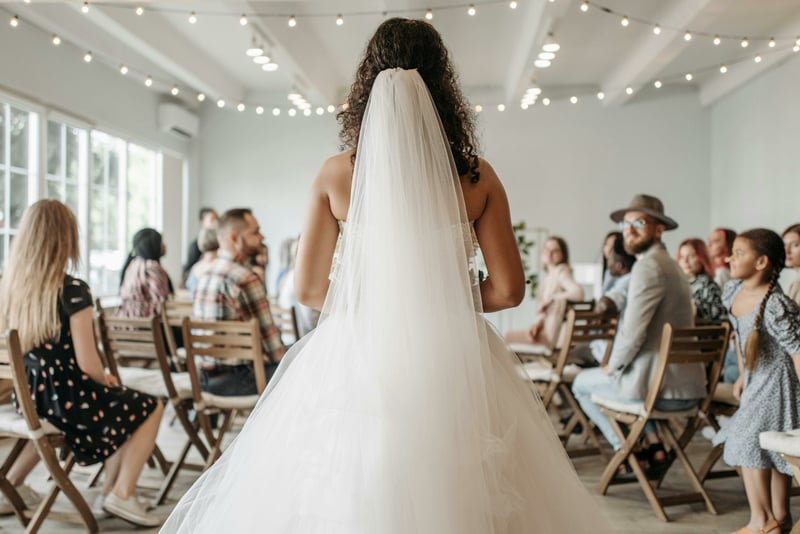
With your venue secured, it’s time to start building your dream team and bringing your vision to life. It’s about to get very exciting.
Book Your Photographer and Videographer
These vendors are often booked well in advance, so reach out to your top choices early and pay your deposit for your favourites as soon as you can.
Look for:
- Consistent portfolio quality
- A style you love
- Strong reviews
- Good communication
Choose Your Wedding Party
Ask your closest friends or family members to be part of your wedding, which is a great way to include the people you love and makes them feel appreciated. This includes:
- Best man
- Maid of honour
- Bridesmaids
- Groomsmen
Give them plenty of notice so they can plan for attire and travel and prepare for their other responsibilities (like bachelor and bachelorette parties for the best man and maid of honour).
Start Wedding Dress Shopping
Wedding dresses can take several months to find and often require alterations when you eventually find the dress.
Starting early ensures:
- More choice
- Less pressure
- Time for fittings
Book Entertainment
Entertainment sets the tone for your reception and will make sure everyone has a night to remember.
Options include DJs, live bands and solo musicians. If you plan on inviting lots of guests who have children, you could even hire a kids’ entertainer. Other forms of entertainment include live cooking stations and photo booths. Really, the only limit is your budget and imagination.
Think about the atmosphere you want to create and build an entertainment ‘package’ around that.
Research and Book Additional Vendors
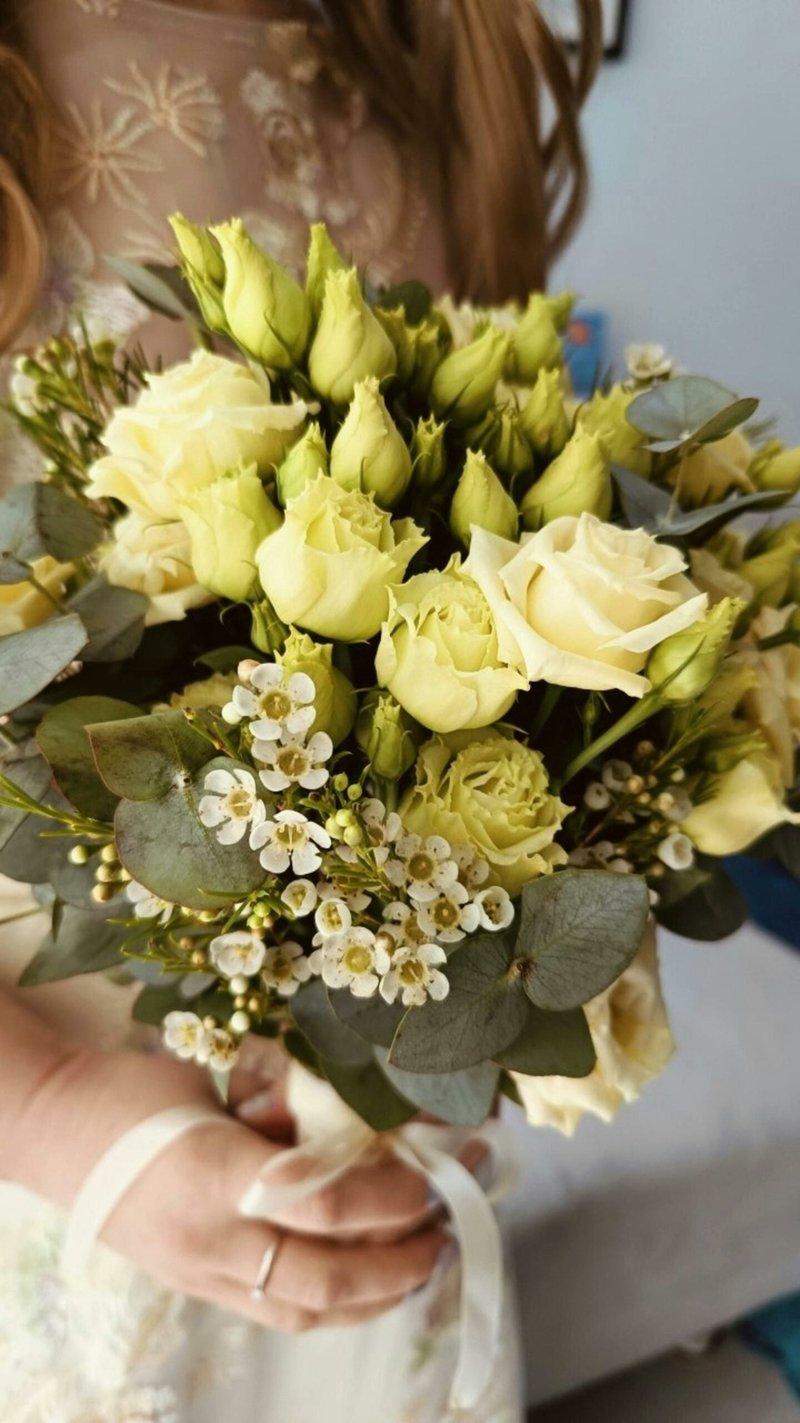
Depending on your venue, you may need to book:
- Caterers
- Florists
- Officiants
- Rental companies
- Lighting specialists
- Transport
6–9 Months Before the Wedding
This is where your wedding starts to feel real. It’s only half a year away, and it may feel like there’s still so much to do. But try not to worry. If you’re following this guide, there’s still plenty of time left to get everything sorted.
Send Save-the-Dates
Send these early, something especially important in Canada, where guests may need to travel long distances to be with you. This includes reserving vacation days and booking flights.
On your save-the-dates, include your names, your wedding date and the general location. You don’t need to be too specific just yet, as those details will be included on the invitations.
Choose Your Florist
Work with your florist to design arrangements that suit your theme, venue, season and budget.
Order Wedding Attire
Finalise and order your dress, the suits or tuxedos and any other wedding party outfits.
Plan Your Theme and Decor
Your theme ties everything together. It’s where you can really use your creativity and tie your wedding day close to your personalities.
You’ll want to nail down the details related to colours, table settings, lighting and signage. You may want to handmake some of the decor yourself, which adds another element of personalisation. If this is the case, you’ll want to get a head start on doing those so you don’t scramble to get things finished with a few weeks or days to go.
Book Accommodation for Guests
Reserve hotel blocks or recommend nearby accommodation for out-of-town guests.
3–6 Months Before the Wedding
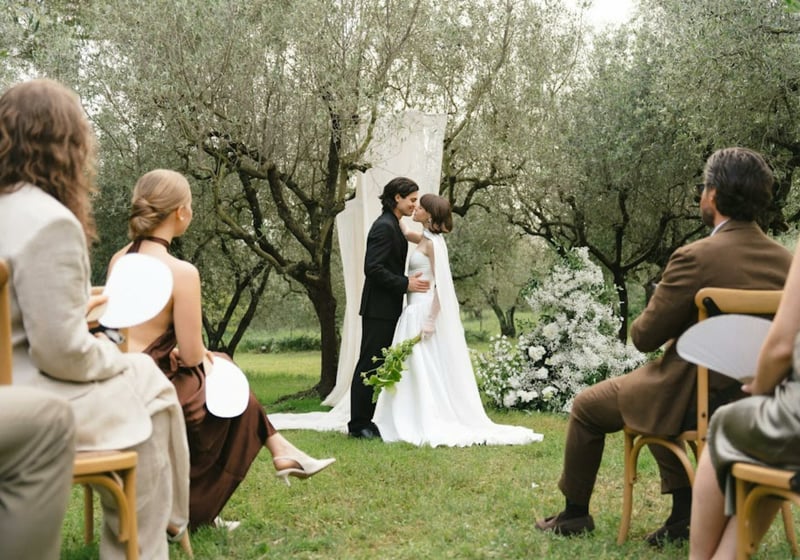
At this stage, your wedding planning checklist becomes more detailed and time-sensitive.
Send Invitations
Send invitations 8–12 weeks before the wedding.
Include:
- RSVP details
- Key information
- Your wedding website URL
Finalise Your Menu
Confirm meal choices (as detailed on RSVPs), dietary requirements and drink choices.
Plan Your Ceremony
There’s a surprising amount of personalisation available during your ceremony, especially if you’re not having a religious ceremony (but even then, you can personalise certain elements). Decide on:
- Vows
- Readings
- Music
- Structure
- Unity rituals
Arrange Transportation
Organise transport for the wedding party and guests (if needed).
Book Hair and Makeup
Schedule trials and confirm your final look.
1–3 Months Before the Wedding
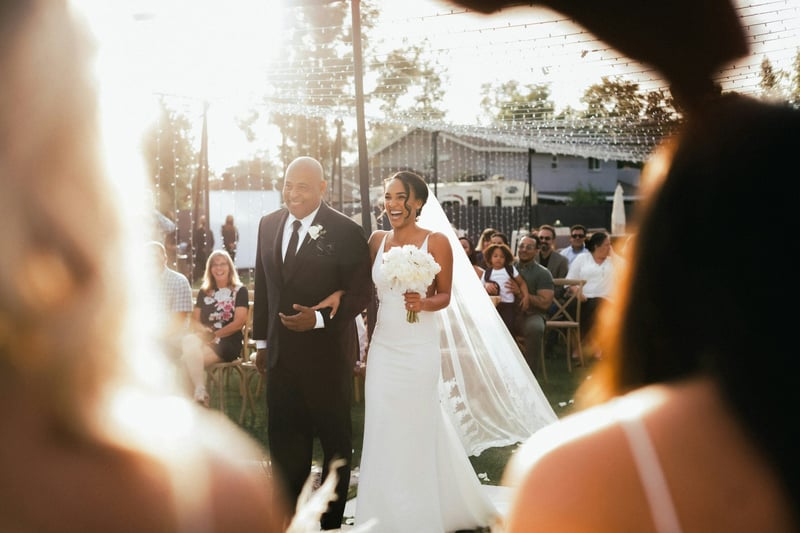
Now it’s all about getting things set in stone and confirming your plans.
Finalise Your Seating Chart
Use your confirmed RSVPs to create your seating plan.
This can be kind of tricky, especially if there are family politics to be mindful of. But once it’s done, it’s done. Take it one table at a time and start with the top table first.
Confirm All Vendors
Check timings and services, and make sure to pay all outstanding invoices by their deadlines.
Write Your Vows (if necessary)
If you’ve chosen to write your own vows, start early and refine them over time. Spending just 15 or 20 minutes here or there is way more productive than a last-minute scramble.
Attend Final Fittings
Ensure everything fits perfectly.
Create Your Wedding Day Timeline
Plan your entire day from start to finish, so you know where you need to be and at what time. Your venue and officiant will be able to help you with some of the timings.
Final Week Checklist
The final week should feel calm and exciting. If you’ve planned things well, you can enjoy the final week as an unmarried person, rather than having to chase your own tail and clear up dramas.
Confirm All Details
Double-check everything with your vendors and venue. Answer any last-minute questions they may have (and ask any questions you may have).
Pack an Emergency Kit
Include essentials like:
- Safety pins
- Plasters
- Tissues
- Snacks
Print Materials
Prepare the final versions of your seating chart, as well as name cards and signage.
Rehearse the Ceremony
If you can, attend a rehearsal. This helps everyone feel prepared and relaxed.
Take Time to Relax
Rest and enjoy the lead-up to your wedding. Take some time for yourself, because once the big day arrives, you won’t have a single moment to yourself until the moment you leave the venue at the end of the evening.
The Morning of the Wedding
If you’ve planned everything carefully, there’s nothing more for you to do. Everything is now in the very capable hands of the professionals you’ve hired to make your dream wedding come to life.
The most important thing for you to do is enjoy it. It’ll be over in a flash, so make sure to have the most amazing day.
Free Wedding Planning Checklist Template
A checklist is essential, but a digital one is even better as it lets you keep on top of everything, make updates and have access to it on your phone.
With Bridebook, you can:
- Track your entire wedding checklist
- Manage your guest list
- Organise vendors
- Build your timeline
Everything is in one place, making planning far easier.
Create your free Bridebook wedding checklist.
Common Wedding Planning Mistakes to Avoid
Even the best wedding planning timeline checklist can’t prevent every mistake. It can certainly lead to fewer issues, but it won’t stop them from happening at all. Here are a few common wedding planning mistakes to be aware of.
Leaving Things Too Late
Popular vendors book up quickly, so start planning as soon as you can.
Underestimating Costs
Always include a contingency fund. This should be at least 5%, but ideally 10%.
Ignoring Your Timeline
Stay consistent with your checklist. If you’ve made a plan, stick to it as best you can.
Trying to Do Everything Yourself
Planning a wedding is a little like planning a military operation. Delegate when possible and trust others to do a good job.
Start Planning Today
With the right wedding planning checklist, everything related to the process becomes clearer and easier.
Sign up to Bridebook and start your free wedding planning checklist today.
FAQ: Wedding Planning Checklist for Canadian Couples
When should I start using a wedding planning checklist?
Start as soon as you get engaged so you can plan ahead and avoid rushing important decisions.
How long does it take to plan a wedding in Canada?
Most couples take 12–18 months, though shorter timelines are possible with careful planning.
What should I prioritise first on my checklist?
Focus on setting your budget, creating your guest list and booking your venue early on.
Can I plan a wedding in less than a year using a checklist?
Yes, but you’ll need to stay organised, make decisions quickly and be flexible with availability.
How detailed should my wedding checklist be?
As detailed as possible — the more specific your checklist, the easier it is to stay on track and avoid missing anything.
Should I use a digital or paper wedding checklist?
Digital checklists are more flexible, allowing you to update tasks, track progress and access everything easily.
How do I stay on track with my wedding checklist?
Set deadlines for each task and review your checklist regularly to keep everything moving forward.
What happens if I fall behind on my checklist?
Prioritise urgent tasks first and adjust your timeline to stay on track without added stress.
Can a checklist help me stay within budget?
Yes, it helps you plan spending in stages and avoid last-minute, unnecessary costs.
What are the most common mistakes when using a wedding checklist?
Common mistakes include leaving tasks too late, ignoring deadlines and trying to do everything yourself.
Do I still need a checklist if I hire a wedding planner?
Yes, it helps you stay involved and understand the overall timeline, even if a planner handles the details.
What’s the biggest benefit of using a wedding planning checklist?
It reduces stress by giving you a clear plan and helping you stay organised from start to finish.